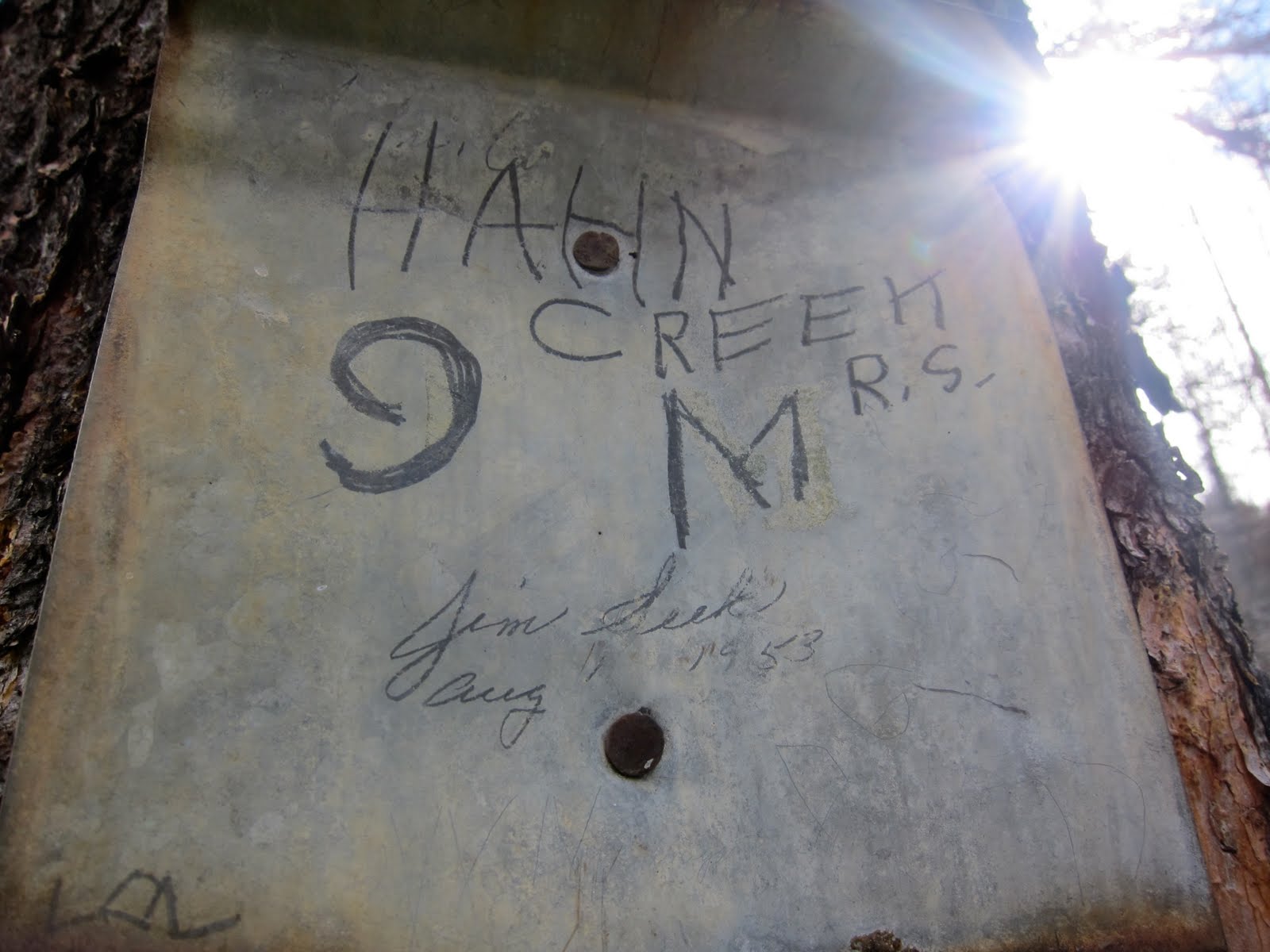
Bob Marshall country is alive indeed. It’s incongruous coming back home and looking at the spot page. Ya’ll may have seen the dots creep along, but you do not know what you saw. I don’t know what I saw. Driving home last night, and all day today, the post-trip hangover has been outrageously outsized.
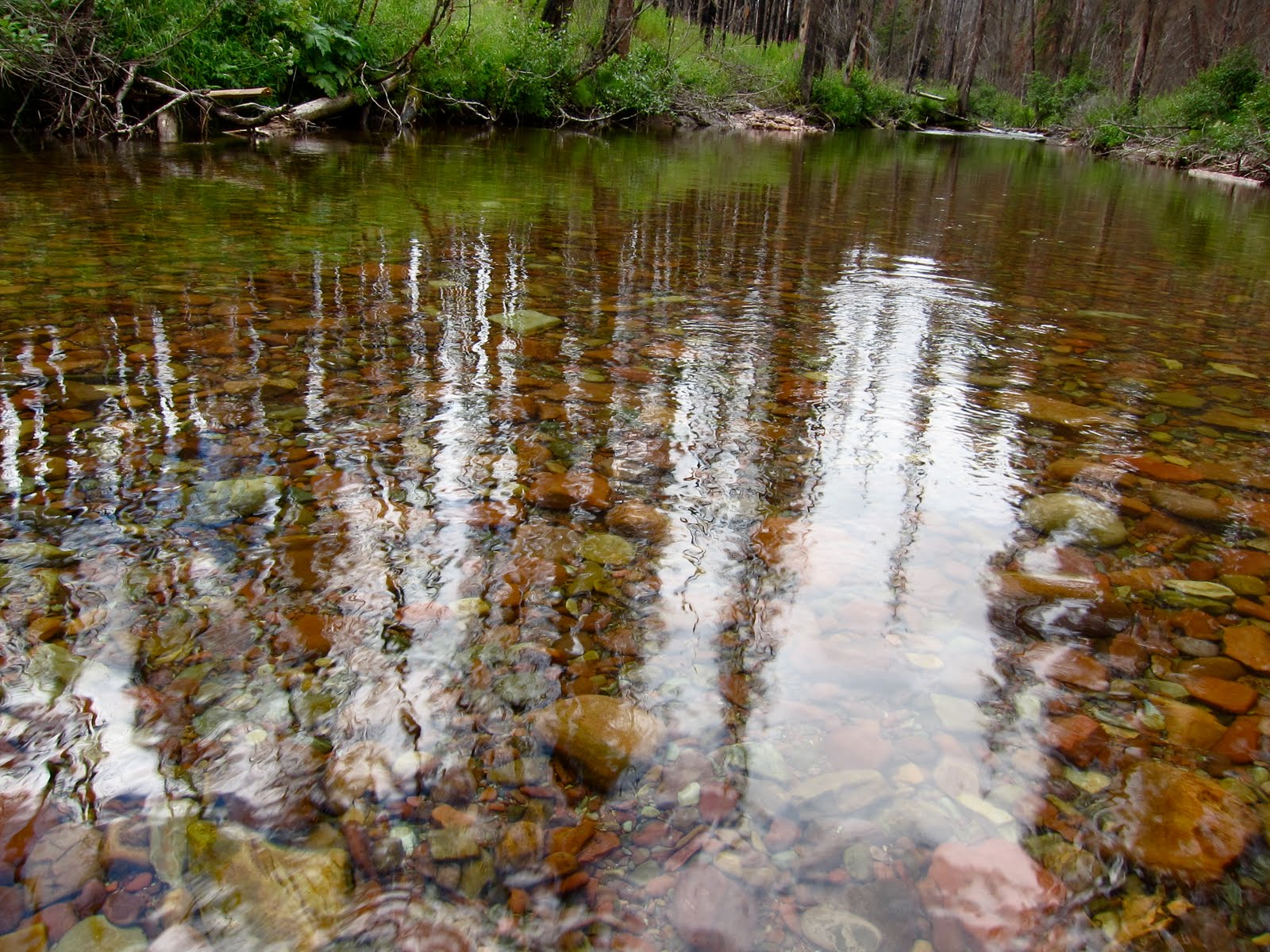
The combination of a big, complex wilderness (bigger than Yellowstone-Teton in many ways, the Bob’s valleys are so profuse, steep, and hidden in dense forest) and one of the wildest rivers in the lower 48. There are few places where mile after mile of 365 degree turns reveal a landscape that is on almost all levels unaltered by the Euro-American takeover of the continent. Driving around western Montana I’ve spent a lot of time wondering what the hills looked like before they were incised with veins of logging roads. Now I know.
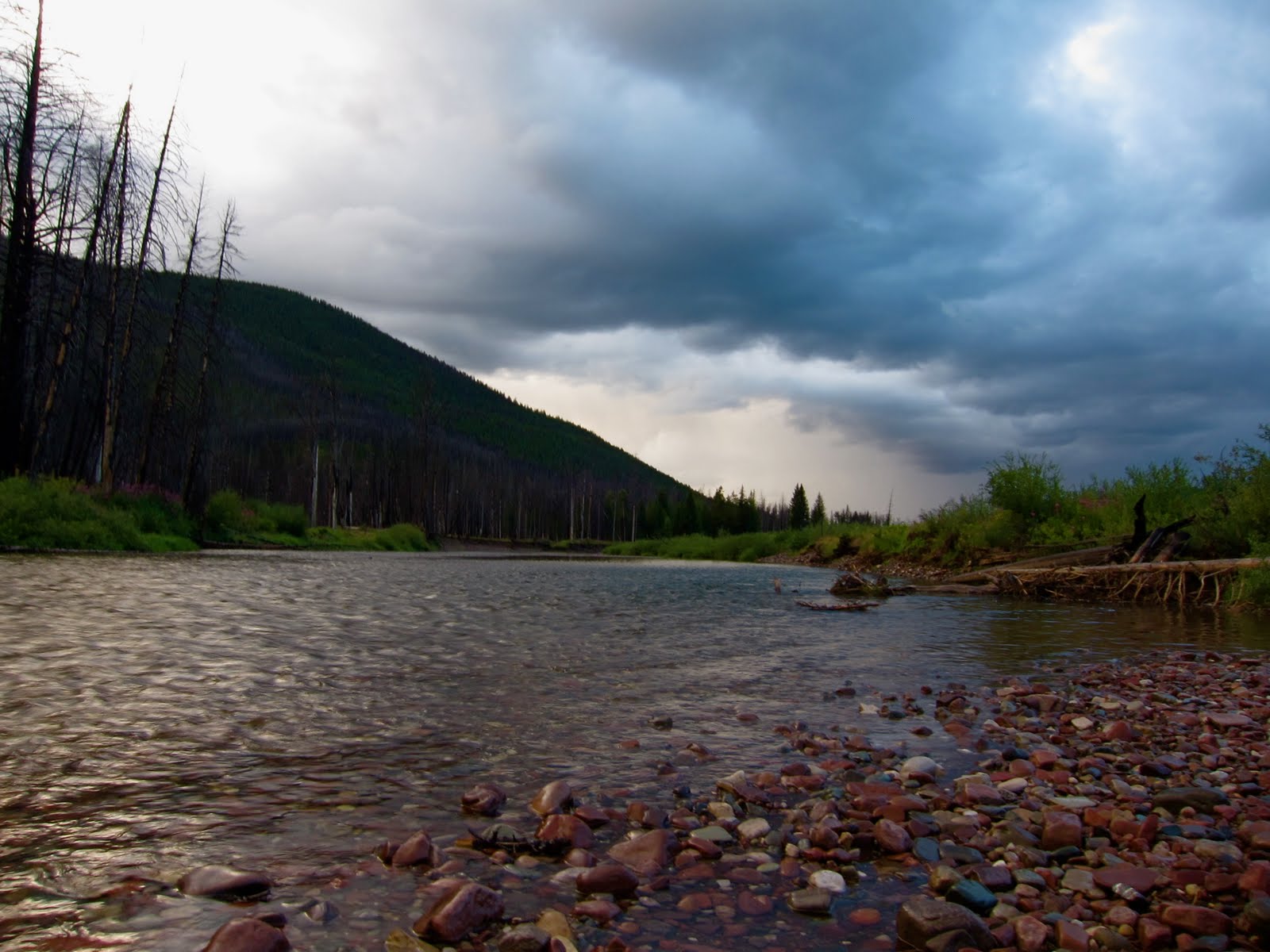
The trip distilled everything important about wilderness travel: the pleasureable, the miserable, the annoying, and the sublime. I’ll tell you about it one of these days.
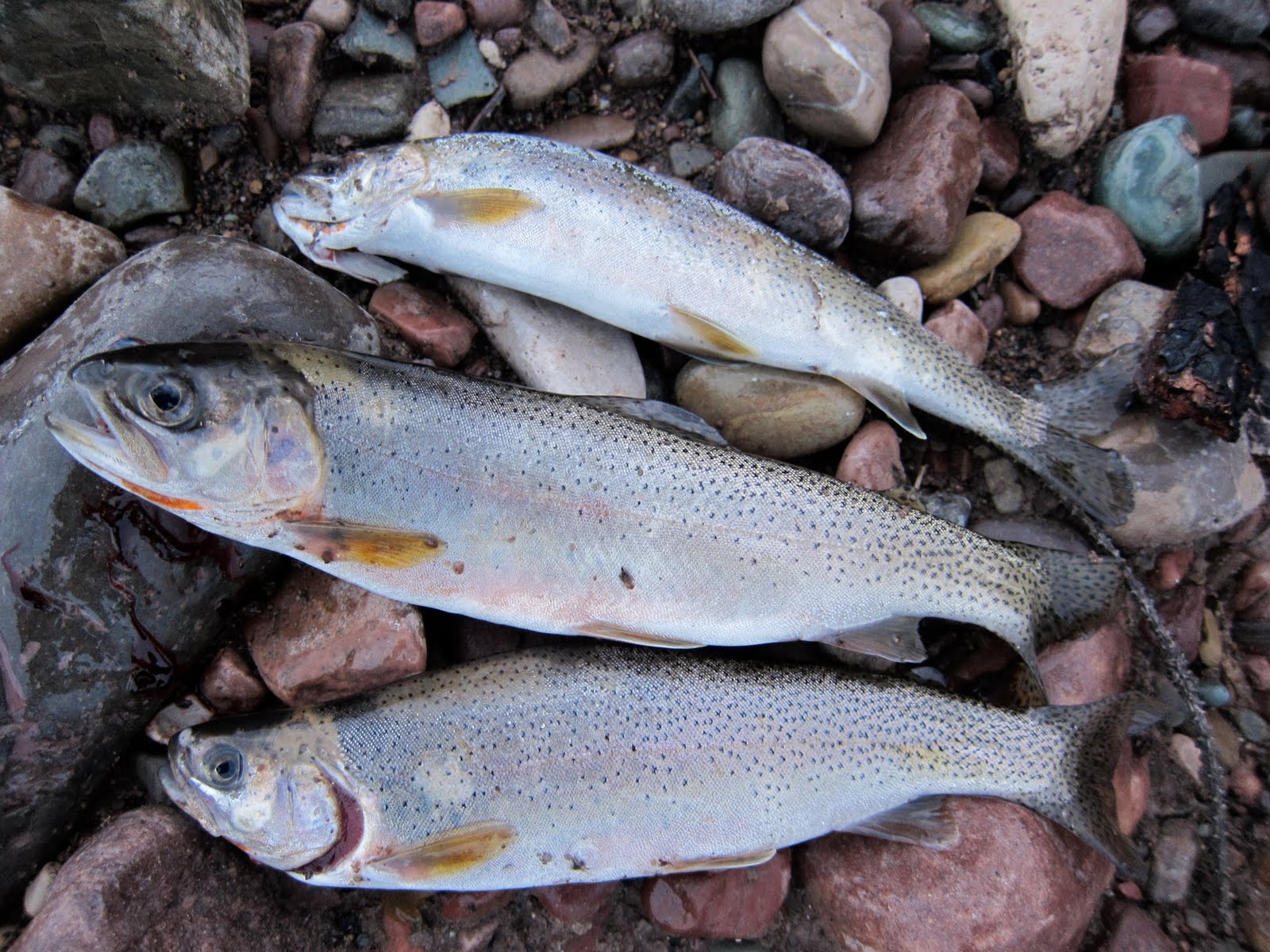
Right now I just can’t do it justice, not the experience, not the facts, not the ruminations. And certainly not the fishing.
In Yellowstone last weekend M and I revisited, in the context of how/why to get packrafting legal in the park, the debate over wilderness use and experience. In brief: on the one hand today’s world often makes it that the highest regard a human can pay to wilderness is to appreciate it from afar, without invasive impact and publicity. On the other, true passion and all the greatness it begets is impossible absent deep wilderness experience. Depending on the time and place, both are correct.
This past weekend reminded me just how disparate the experiences of the near and far observer can be, and how important it is to have and be both.
Strictly beta here.
* Steve House. “The Mind of the Observer.” Alpinist 8
 Bedrock & Paradox
Leave a comment