Montana is a unique state. Big, few people, great geographic diversity and a unique human history (for a Rocky Mountain state) all create a zeitgeist that I like more the longer I’m here.
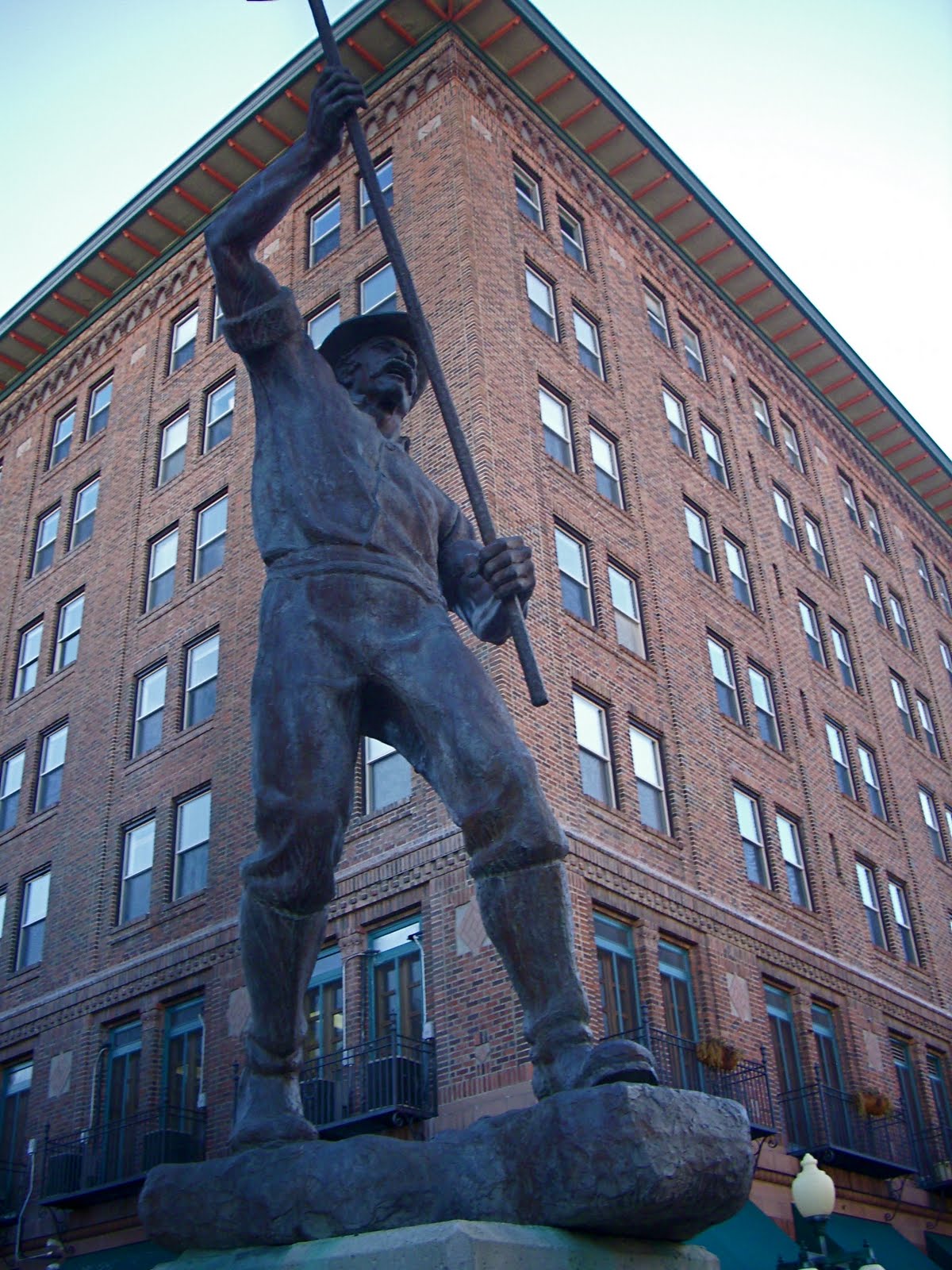 A big part of my work this semester has taken me into the idiosyncratic world of Montana politics. A big class project, the bulk of my practicum, and independent research in another class have all been focused on a law passed earlier this year and it’s background. In short, I’ve been working on keeping adjudicated Montana youth in state, rather than having them sent to out of state residential treatment centers. Like the ones I worked at in Iowa and Arizona.
The problem is that while an individual might have success within a facility, there is little theoretical or empirical reason to think that this will generalize to any place they might go afterwards. Expect other residential placements, or prison. I think that changing the status quo and trying to keep youth in-state and out of residential centers will ultimately result in fewer youth going on to adult prisons.
So yesterday I drove to Helena to have lunch with the sponsor of the most recent bill concerned with this process. Senator Jesse Laslovich.
It was as much fun as I can imagine having while doing business and school work. He’s about my age, having been elected to his seat back in 2001 when he was an undergrad at the University of Montana. It was like having lunch with a smart and articulate new friend. I got loads of interesting context and background, and finally have hold of enough threads to start tying it all together (ie, to start writing my report this afternoon). Thank goodness.
I’ve also learned quite a bit about the political scene in Montana in 2009, some of which are worth sharing.
The Montana legislature is made up of 100 representatives and 50 senators. They meet every other year for 90 days, starting right after the new year. A given person can only hold a given seat for 8 years out of 16; this strict term limit is a constitutional one. So any legislature has only 12 months of full time employment before they have to retire (or as often happens, seek a seat in the other chamber to continue their work). A case can be made for term limits, but in Montana this particular law is madness. The state is too big, the issues too complex, and the time given too little to expect much from a legislator. Which brings us to the next issue..
Every bill drafted during the session requires a fiscal note detailing it’s estimated cost. Nationally, this is done by the Congressional Budget Office (CBO), which is largely non-partisan and independent. The Montana legislature does not have a comparable office or staff, so the task is given to the agency within the Executive branch which the bill would most directly concern. Therein is found one of the only groups in Montana with enough expertise to make such estimates.
It also creates a huge space for political manipulation. Montana is a state where the whole political spectrum is marked by deep fiscal conservatism. The combination of low taxes (no sales tax, for instance), budget-balancing fanaticism, and a heavy dependence on federal funds (well over half of the whole budget of the Children’s Mental Health Bureau) means that a surefire way to kill a bill is to say it will cost a lot of money. Which is exactly what happened with the CMHB did the fiscal note on the initial draft of Laslovich’s bill.
He managed to sneak some important stuff into a much diminished draft, and the process of asking for everything with the expectation of being talked down is at the center of the legislative process. However, what the two aforementioned points amount to when taken together is the executive branch having a lot of power. They have more staff, because unlike the legislature they run full-time year round. While the legislature controls all appropriations, the executive has near exclusive access to the knowledge concerning that funding. A present reality, but one which combined with terms limits disrupts checks and balances. It is something that is unlikely to change.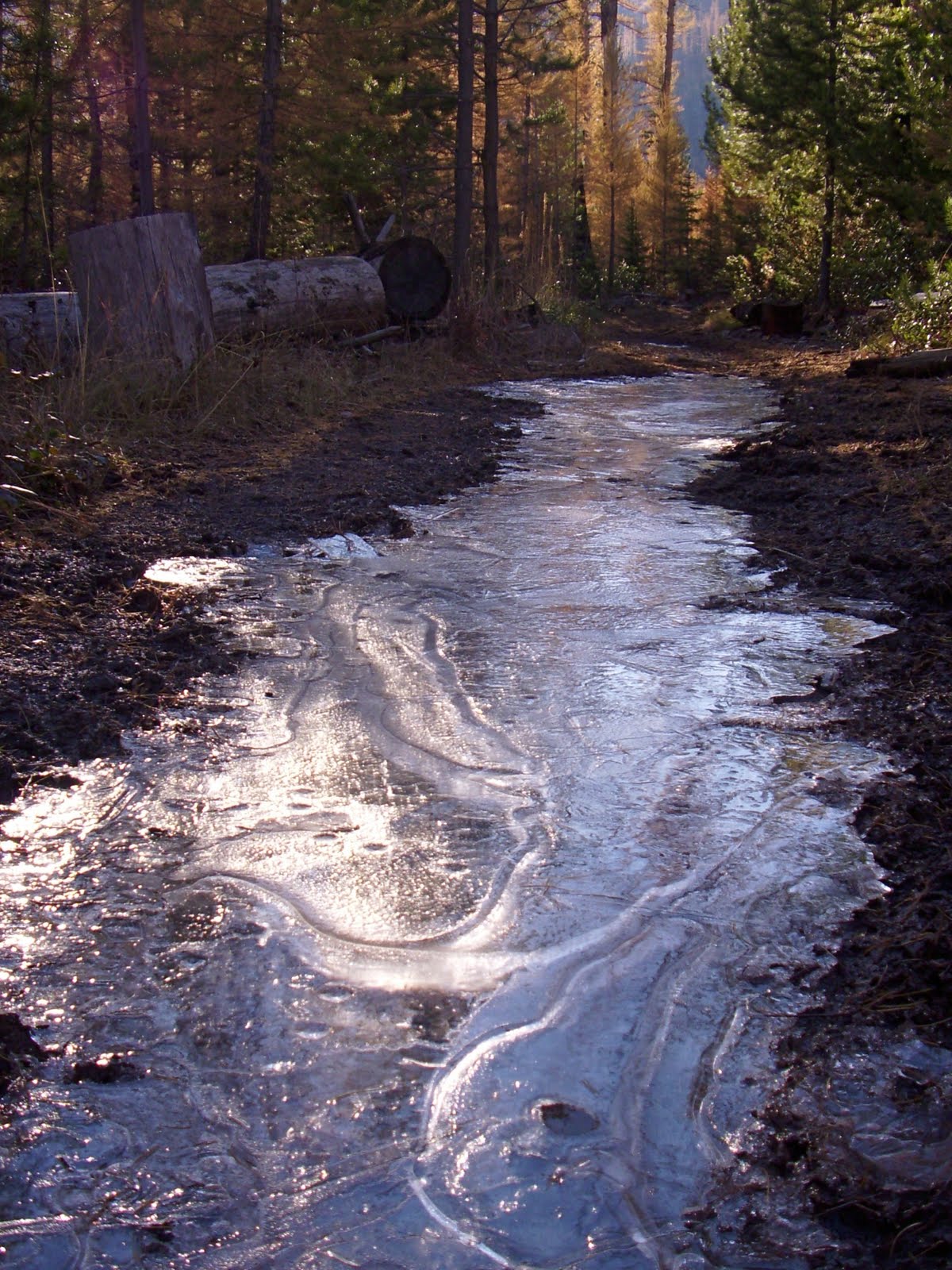 A lot to digest, so on the way home I stopped by the North Fork of the Blackfoot and went fishing. This late in the year, the fish were not to be seen. It was neat to be 5 air miles from our trekking route last month, and on such a warm November day.
I’m getting much better at being able to put my line where I want it, but still have no clue as to what to tie to the line and the whens and hows of presenting it. One thing at a time.
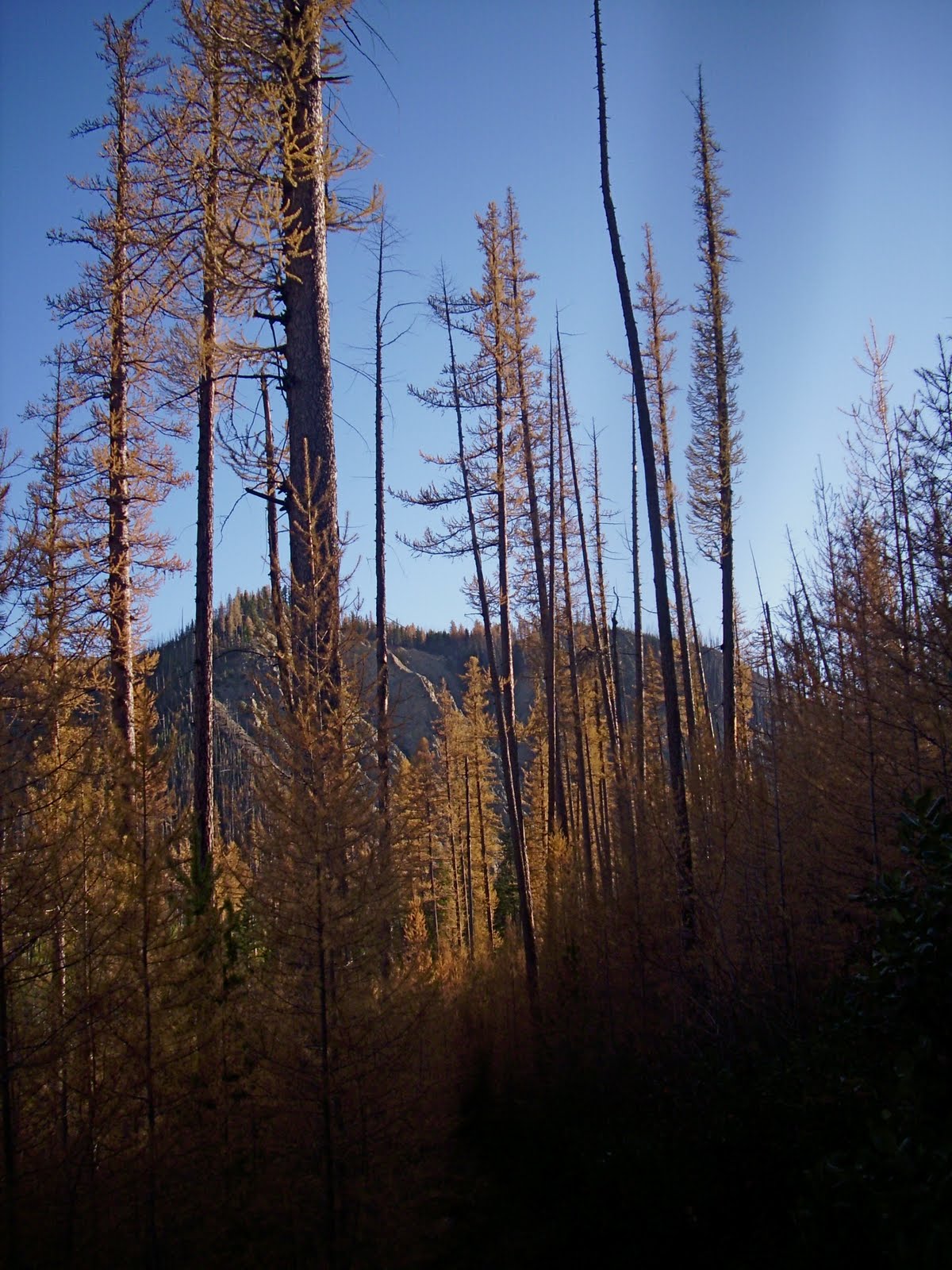 Much of my memory from this time last year is of overcast rain, so I’ll take the sunshine without snow, for the moment at least.

 Bedrock & Paradox
Leave a reply to Enel Cancel reply